I realize this topic couldn’t be more boring for a large majority of people. A junior ice hockey league in Canada (with an acronym that reads more like an inside joke between middle schoolers) has banned fighting. Perfectly understandable if the interest isn’t there. Maybe you’re confused and appalled someone would want our youth to continue to fight. For the hockey purists, the game- within-the game respecters and aspiring enforcers, our cage has been rattled.
In plain English, the ruling states that QMJHL players who engage in a fight will be automatically ejected and face a potential suspension. If a player has already been involved in a fight that season, they will automatically be suspended an additional game for any further shenanigans.
This decision was ultimately made by the league commissioner Mario Cecchini, with the intention of instilling a “culture change”. These new rules are an effort by the league to take a “proactive approach to safeguarding its athletes’ physical and emotional well-being, and are crucial to fostering a secure environment for all players.”
The reaction to this news has varied greatly, which isn’t all that surprising. It’s certain sentiments though, I see being talked about that have me scratching my head and wondering if anyone has a clue what’s really going on here.
I’ll first start off by saying concussions and CTE are nothing to joke about. It’s probably more talked about in football, but it’s definitely a serious issue in hockey as well. It’s terrifying and I feel for those who have to live with the ramifications on a day-to-day basis. None if of this is meant to undermine discourse surrounding CTE.
Another quick disclaimer: I just wrote about the fight between Tim Anderson and José Ramírez in the MLB, but I’m not even a huge fight guy. Fighting itself isn’t all that captivating to me. I never had much interest in the UFC, boxing or any combat sport really. It’s not that I want fighting to stay because boys will be boys and all that jazz.
So what’s the problem in all this then? They’re making the sport safer right?
Not necessarily. I trust they’re coming from a good place, but unfortunately may be on a path to do the opposite.
Hockey is different in the way it has a unique unwritten rule of players policing themselves. Sure, there are officials that call penalties and stop situations from escalating, but it’s the players that keep each other in check. If you want to play dirty and take liberties on guys along the wall or after the whistle, then you have to answer the bell and fight an opposing player who sees what you’re doing and doesn’t appreciate it. Both guys sit in the penalty box for five minutes and the game moves along.
This isn’t a new or novel concept that’s come to light recently, either. This dynamic was been around since the origins of the game and was relied upon heavily when things were far more violent and rough. Wayne Gretzky was able to accomplish what he did because he’s a brilliant hockey player but also because a few specific teammates wouldn’t allow the other team to bully him. He’d probably be the first to tell you that. I’d go as far as saying fighting is what allowed the game to persist and exist in the way it does today. The game within the game is undefeated.
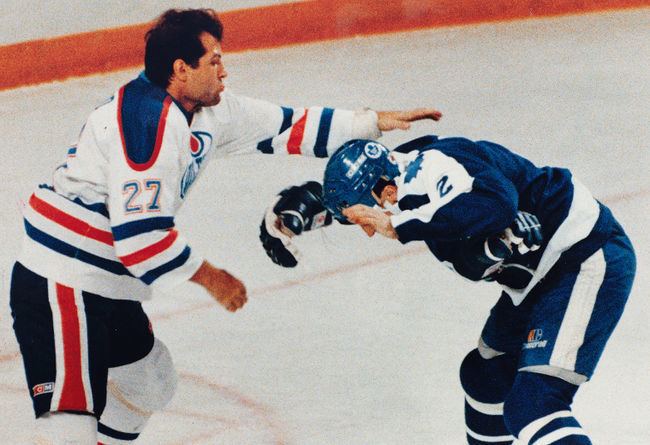
There’s no question the NHL today is more finesse oriented and speed focused, but enforcers still lurk in the shadows and keep a watchful eye on the transgressions of the opponent. Ryan Reaves is the perfect example. You don’t see Reaves throwing hands every night because he doesn’t have to. The simple fact that he’s willing and able to fight is enough to deter excessive slashing, slew foots, cross checks and other nefarious acts. Every guy on the opposing bench is aware of Reaves and his track record. If you misstep, you have the Undertaker to answer to and that mutual understanding is way more effective than a Dollar Store whistle of an official.
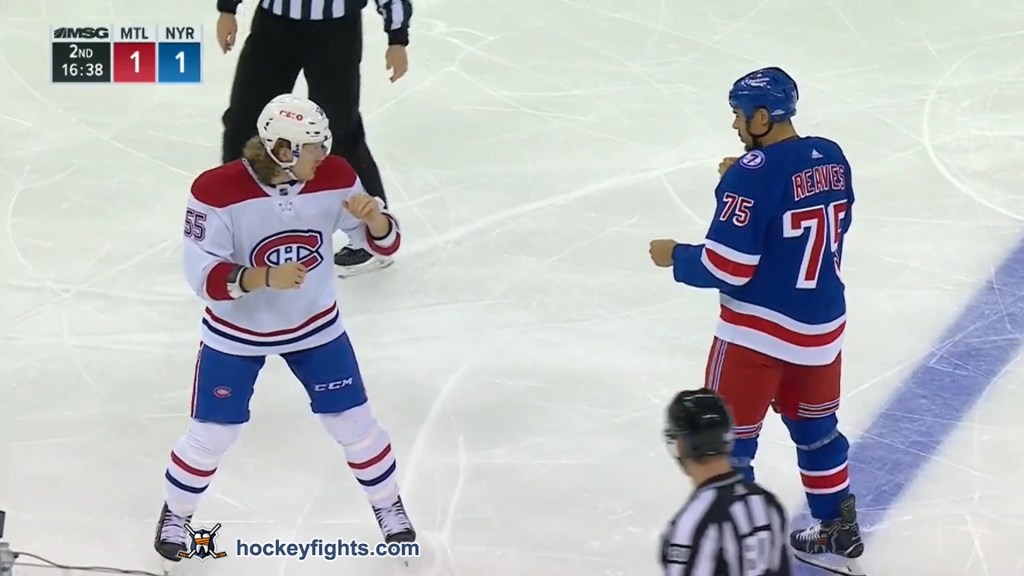
Take fighting out of the game and you’re taking the Batman out of Gotham. You’re leaving it up to chance what might happen when emotion, competitiveness and aggression boil over. Without the threat of a physical consequence, guys will inevitably do ugly things to win the game. Hockey is a fast-paced, dangerous sport as it is, with a lot of opportunity for something to go wrong. Emotion and anger are par for the course and there needs to be a way to settle disagreements properly instead of pure chaos. It’s those non-hockey plays and acts of rage where players really get hurt. Nobody wants a league where Chris Simon slashing Ryan Hollweg in the neck becomes commonplace.
In the NHL this past season, there were 558 fighting major penalties, a stark contrast to the QMJHL’s 147. It feels weird to ban fighting in a league where it’s not rampant, where the end goal for its young players is to make it to a league where it is. Aren’t you setting QMJHL kids up to get hurt if they make it to the NHL and find themselves in a fight?
With respect to CTE, a compromise could be to follow suit with the Western Hockey League (WHL). In 2021-22, the WHL began assessing a misconduct against anyone who tried to remove their own or an opponent’s helmet. Requiring helmets to stay on during fights might help limit head injuries, while also keeping the sacred unwritten rule of players policing players in place. It’s this type of solution that’s more thoughtful.
At the most basic level, there’s an entertainment value to fighting and the NHL “powers that be” know it. Bettman & Co. understand it’s a draw for a certain subset of fans and they risk hurting their bottom line by banning it. I suppose they could consider it, if outside voices become deafening. It feels doubtful, though. They can pretend they care about player safety, but I find it hard to believe the NHL will ever get rid of fighting completely. It’s a sobering reality that the league offices care more about the business side than the sport itself and the safety of its players. I’m of the belief that if money was truly never a priority, a lockout would’ve never happened. I’m making assumptions here, but while the NHL’s incentive to keep fighting is shallow, it aligns with the more rational school of thought that it indirectly makes the game safer.
Banning fighting in hockey is a slippery slope where the nuance gets ignored. Be careful what you wish for when hoping for a “culture change”. It may not be the one you’re looking for, when the inmates are running the asylum.
 geryblogs
Leave a comment